
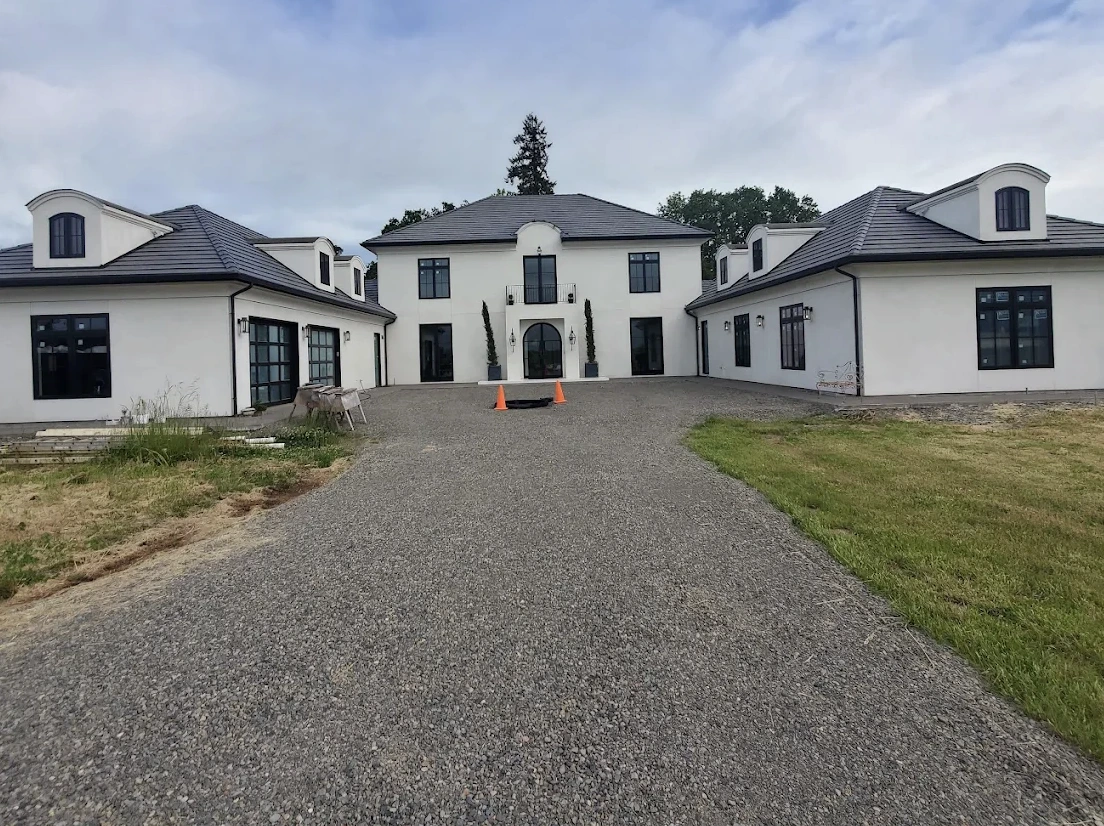
Stucco is one of the longest-lasting exterior finishes available for homes in Central Texas. A traditional 3-coat stucco system, properly installed and maintained, has a life expectancy of **50 to 80 years** — and many stucco homes around the world have stood for centuries. But actual lifespan depends on the system type, the quality of installation, climate exposure, and how well the homeowner maintains it.
Lifespan by Stucco System
| System | Expected Lifespan |
|---|---|
| Traditional 3-coat cement stucco | 50–80+ years |
| 1-coat stucco | 20–40 years |
| EIFS (synthetic stucco) | 25–50 years |
| Acrylic finish over cement base | 40–60 years |
Traditional 3-coat stucco has the longest lifespan because of its thickness (roughly 7/8 inch) and the structural redundancy of three independently cured layers. Thinner systems like 1-coat stucco sacrifice some of that durability for speed and cost savings.
What Affects Stucco Lifespan in Austin
Climate and UV Exposure
Austin averages 228 sunny days per year, and summer temperatures regularly exceed 100 degrees. This level of UV exposure accelerates color fading in cement-based finishes and can dry out the material over decades. However, the heat itself does not damage properly cured stucco — cement actually performs well in hot, dry conditions.
The bigger climate challenge is the combination of intense sun followed by sudden, heavy rain events. The thermal cycling (expansion and contraction) plus water exposure tests the stucco system repeatedly over its lifespan.
Soil Movement
Central Texas expansive clay soils are the single biggest threat to stucco longevity in the Austin area. Seasonal swell-and-shrink cycles cause foundation movement that stresses the rigid stucco exterior, leading to cracks. Homes in areas with heavy clay — parts of Pflugerville, Round Rock, South Austin, and Kyle — see more stucco cracking than homes built on limestone bedrock in Westlake or the Hill Country.
Installation Quality
The most critical factor in stucco lifespan is not the material — it is the contractor. Common installation shortcuts that reduce lifespan include:
- **Insufficient cure times** between coats (rushing the job to save labor)
- **Missing or improperly placed control joints** (leading to uncontrolled cracking)
- **Inadequate lath attachment** (causing delamination over time)
- **Poor flashing and weatherproofing** around windows, doors, and roof lines (leading to moisture intrusion)
- **Wrong mix ratios** (too much water weakens the stucco; too little makes it unworkable)
A well-installed 3-coat system will outlast a poorly installed one by decades.
Maintenance
Stucco is low-maintenance but not zero-maintenance. Homeowners who do the following can expect their stucco to reach the upper end of its lifespan:
- **Annual inspection** for cracks, especially after heavy rain or periods of drought
- **Prompt crack repair** — small cracks caught early are inexpensive fixes; ignored cracks become moisture pathways
- **Periodic cleaning** — pressure washing or soft washing once a year removes dirt, pollen, and mildew
- **Repainting or resealing** — cement stucco benefits from repainting every 7 to 10 years; acrylic finishes last longer between treatments
- **Caulk maintenance** — around windows, doors, and penetrations, caulk degrades faster than stucco and should be inspected and replaced every few years
Signs Your Stucco Is Reaching End of Life
Not all stucco problems mean the system has failed. But certain signs indicate the stucco may be approaching the end of its useful life:
- **Widespread cracking** that keeps returning after repair
- **Soft or spongy spots** when pressing on the wall — indicating moisture damage to the substrate
- **Staining or discoloration** below windows or along the foundation line — water is getting behind the stucco
- **Bulging or delamination** — the stucco is separating from the lath or wall
- **Interior moisture** — water stains or mold on interior walls adjacent to stucco exterior
If you notice these signs, a professional inspection can determine whether repair is sufficient or full stucco remediation is needed.
How to Maximize Your Stucco's Lifespan
- Choose a 3-coat system installed by an experienced, certified contractor
- Ensure proper drainage away from the foundation to minimize soil movement stress
- Inspect and repair cracks annually — especially after extreme weather
- Keep landscaping and irrigation sprinklers away from stucco walls
- Maintain caulk and sealant at all openings and penetrations
Expert Help in Austin
At Star Stucco of Austin, we have maintained, repaired, and replaced stucco on homes across Central Texas for over 20 years. Whether your stucco needs minor maintenance or full remediation, we can assess its condition and recommend the most cost-effective path forward. Learn more about stucco repair in Austin or read our guide on how long stucco lasts. Contact us for a free inspection or call (512) 706-9699.
Frequently Asked Questions
How long does stucco last on a house?
Traditional 3-coat cement stucco lasts 50 to 80 years or more when properly installed and maintained. One-coat stucco lasts 20 to 40 years, and EIFS typically lasts 25 to 50 years. Actual lifespan depends on installation quality, climate exposure, and maintenance.
Does stucco need to be replaced?
Well-maintained stucco rarely needs full replacement. Most issues — cracking, staining, minor moisture problems — can be repaired. Full replacement or remediation is typically only necessary when there is widespread substrate damage from long-term moisture intrusion.
How do you make stucco last longer?
Inspect and repair cracks annually, keep landscaping and irrigation away from stucco walls, repaint or reseal every 7 to 10 years, maintain caulk around windows and doors, and ensure proper drainage away from the foundation. These steps can add decades to your stucco's lifespan.