
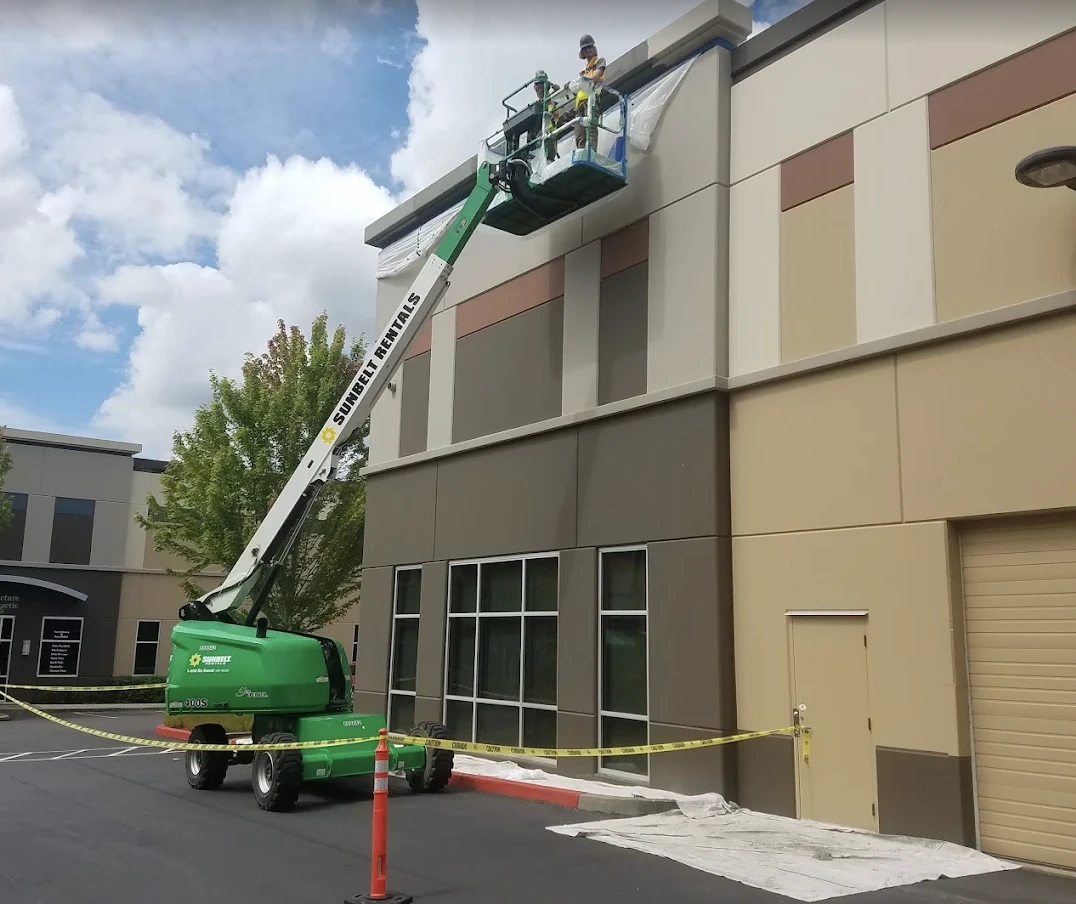
Cracks are the most common stucco problem we see on Austin homes — and one of the most misunderstood. Some cracks are purely cosmetic; others are an open door for water that leads to thousands of dollars in hidden damage. This guide explains why stucco cracks in Austin, how to read the different types, when to worry, and what repair actually involves.
Why Stucco Cracks in Austin
Austin sits on some of the most expansive clay soil in Texas. When heavy rain saturates the ground the clay swells; during long dry spells it shrinks. That constant movement flexes foundations and walls, and stucco — a rigid material — cracks under the stress. Add brutal summer heat (south- and west-facing walls regularly exceed 140°F surface temperature) and the daily expansion-and-contraction cycle, and hairline cracks are almost inevitable over time. Other common triggers include missing or poorly placed control joints, original installation defects, and normal building settlement.
Types of Stucco Cracks
Not all cracks mean the same thing:
- **Hairline cracks** — Very thin, shallow cracks from thermal movement and curing. Usually cosmetic, but worth sealing before water gets in.
- **Spider / map cracking** — A web of fine cracks across an area, often from a too-rich finish coat or fast curing. Mostly cosmetic.
- **Cracks around windows and doors** — Diagonal cracks radiating from corners of openings. Very common and often tied to movement or weak flashing detail — these need attention because openings are prime water-entry points.
- **Stair-step / vertical cracks** — Larger cracks that follow a path or run vertically can indicate foundation movement and should be evaluated promptly.
- **Cracks at control joints** — Where the system was designed to move; failed sealant here lets water behind the wall.
When a Stucco Crack Is Serious
A crack moves from cosmetic to urgent when it can admit water. Watch for cracks wider than a credit-card edge, cracks with staining or efflorescence (white deposits) nearby, cracks that keep returning after patching, soft spots beside the crack, or any interior water stains on the other side of the wall. Any of these means moisture may already be reaching the substrate — at which point you need more than a surface fill. See our guide to stucco remediation for what that involves.
Should You DIY Stucco Crack Repair?
Sealing a single hairline crack with the right flexible, paintable sealant is within reach of a careful homeowner. But most crack repair benefits from a pro, for three reasons: matching the surrounding texture and color is genuinely difficult, the wrong filler cracks again within a season, and a crack that looks minor can be hiding moisture damage that only an experienced eye (and a moisture meter) will catch. A bad patch often costs more to redo than doing it right the first time.
Our Stucco Crack Repair Process
- **Inspection** — We assess the crack type, check for moisture, and determine the underlying cause.
- **Preparation** — The crack is cleaned out and widened slightly so the repair material can key in and bond.
- **Repair** — We fill and reinforce as needed, addressing any compromised base coat or mesh, not just the surface.
- **Texture & color match** — The patch is textured and colored to blend with the surrounding wall.
- **Sealing** — Joints and penetrations near the repair are sealed to keep water out.
How Much Does Stucco Crack Repair Cost in Austin?
Minor crack repair in Austin typically runs **$300–$600**, with larger or multiple cracks and any associated moisture work costing more. Because hidden water damage is the biggest cost driver, every repair starts with an assessment. For full pricing across repair types, see our Austin stucco repair cost guide.
Don't Let Small Cracks Become Big Repairs
The cheapest stucco repair is the crack you seal before water finds it. If you're seeing cracks — especially around windows, at corners, or with any staining — get them looked at early. Star Stucco of Austin is a licensed stucco contractor in Austin TX offering free, no-pressure inspections. Explore our stucco repair services or request a free estimate today.
Frequently Asked Questions
Are stucco cracks normal?
Some are. Fine hairline cracks from thermal movement and curing are common and usually cosmetic. What matters is whether a crack can let water in — cracks around windows and doors, cracks wider than a credit-card edge, or cracks with staining nearby should be repaired promptly to prevent moisture damage behind the wall.
How much does it cost to repair stucco cracks in Austin?
Minor crack repair in Austin typically costs $300–$600. Larger cracks, multiple areas, or repairs that uncover hidden moisture damage cost more. We provide free on-site estimates so you know the price before any work begins.
Can I just paint over stucco cracks?
No — paint hides a crack temporarily but does not stop water from entering, and the crack will telegraph back through. Cracks should be properly cleaned, filled with a compatible flexible material, and texture-matched, then sealed. Painting over an active crack often makes the eventual repair harder.
Why do my stucco cracks keep coming back?
Recurring cracks usually mean the underlying cause was never addressed — ongoing foundation movement, a missing control joint, or a patch that was too rigid for the wall’s movement. A proper repair diagnoses why the crack formed and uses materials that flex with the wall, so it lasts.