
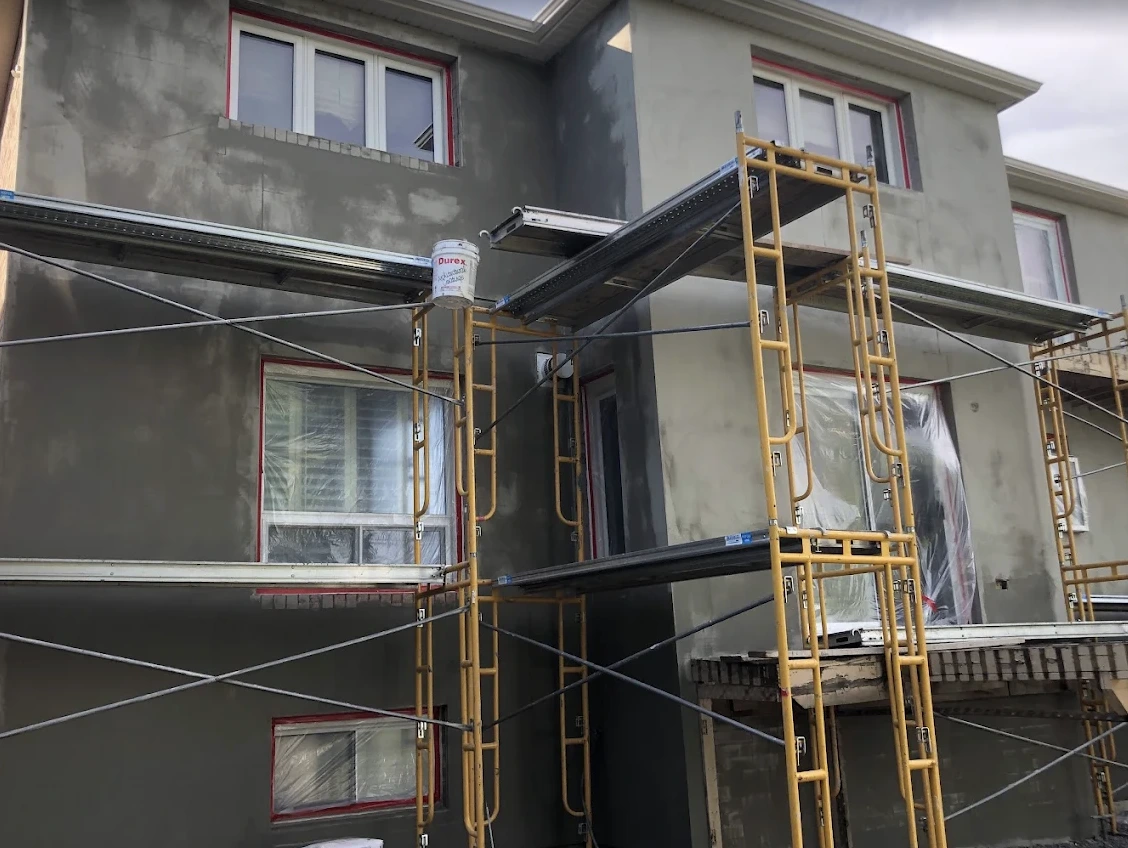
Stucco is one of the most popular exterior finishes in Central Texas, and for good reason — it is durable, fire-resistant, and attractive. But no building material is perfect. If you are considering stucco for your Austin home, you deserve an honest assessment of the potential downsides so you can make an informed decision.
1. Cracking
Cracking is the most common complaint about stucco. Hairline cracks are normal and typically cosmetic — cement-based materials shrink slightly as they cure, and minor cracks often appear within the first year. However, larger cracks can indicate more serious problems.
**Why it matters in Austin:** Central Texas sits on expansive clay soils that swell when wet and shrink when dry. This seasonal soil movement causes foundation shifts that stress the stucco exterior. Homes in areas like South Austin, Pflugerville, and parts of Round Rock are particularly susceptible.
**How to manage it:** - Install adequate control joints during application - Use a 3-coat system for greater thickness and flexibility - Address foundation drainage issues before or during stucco installation - Repair cracks promptly to prevent moisture intrusion
2. Moisture Vulnerability
When stucco is installed correctly with proper flashing, weep screeds, and a moisture barrier, it manages water well. When it is not — or when cracks and gaps develop over time — moisture can become trapped behind the stucco, leading to damage to the sheathing, framing, and insulation.
**Why it matters in Austin:** Austin receives an average of 34 inches of rain per year, and much of it comes in sudden, heavy downpours. Water-driven rain at high wind speeds can exploit any gap in the stucco system. The combination of intense heat and trapped moisture also creates conditions for mold growth behind walls.
**How to manage it:** - Ensure proper installation of flashing around windows, doors, and roof transitions - Maintain caulk and sealant at all penetrations - Inspect annually for cracks, staining, or soft spots that indicate moisture intrusion - For existing moisture problems, consider stucco remediation to address the issue at the source
3. Repair Difficulty
Stucco repairs are not as simple as filling a hole and painting over it. Matching the texture, color, and profile of an existing stucco wall requires skill and experience. Poorly done repairs stand out visually and can compromise the wall's weather resistance.
**Why it matters in Austin:** With strong UV exposure and temperature cycling, stucco color fades and weathers over time. A fresh repair patch will look noticeably different from the surrounding wall unless the contractor carefully matches the finish and allows for natural weathering.
**How to manage it:** - Use a contractor experienced in texture matching - For widespread damage, refinishing an entire wall section (rather than spot patching) gives a more consistent result - Keep a record of the original stucco color and finish specifications for future reference
4. Not DIY-Friendly
Unlike painting a wall or replacing a section of siding, stucco installation and repair require specialized skills, tools, and knowledge. Each of the three coats must be mixed correctly, applied at the right thickness, and cured under controlled conditions. Improper application leads to cracking, delamination, and premature failure.
**Bottom line:** Stucco is a professional trade. Even small repairs benefit from an experienced hand.
5. Higher Upfront Cost Than Some Alternatives
Traditional 3-coat stucco typically costs $7 to $10 per square foot installed, which is more expensive than vinyl siding ($3 to $7 per square foot) and comparable to fiber cement. For homeowners focused solely on initial cost, stucco is not the cheapest option.
**The counter-argument:** Stucco's 50-plus-year lifespan and minimal maintenance costs make it one of the most cost-effective exteriors over time. Vinyl siding may be cheaper to install but needs replacement every 20 to 30 years.
6. Porous Surface Collects Dirt
Textured stucco finishes — especially coarser profiles like 20/30 — can accumulate dirt, pollen, and mildew over time. In Austin, cedar pollen season (December through February) and oak pollen season (spring) can leave a visible film on stucco walls.
**How to manage it:** - Pressure wash or soft wash the exterior once or twice per year - Choose a smoother finish (30/30 or smooth float) if low maintenance is a priority
Should You Still Choose Stucco?
Despite these downsides, stucco remains one of the best exterior finishes for Austin homes — when it is installed correctly by an experienced contractor. Most of the problems associated with stucco come down to poor installation, not the material itself. Proper prep, full 3-coat application, adequate curing, and quality flashing eliminate the majority of moisture and cracking issues.
The key takeaway: **stucco's weaknesses are manageable. Its strengths — durability, fire resistance, beauty, and longevity — are hard to match.**
Get an Honest Assessment
At Star Stucco of Austin, we give every homeowner a straightforward evaluation of whether stucco is the right choice for their property. We do not push stucco where it does not make sense. As your local Austin stucco contractor, we have completed over 9,000 projects and seen every issue discussed above. Contact us for a free consultation or call (512) 706-9699. You can also learn more about stucco repair options if your existing stucco is showing signs of trouble.
Frequently Asked Questions
Does stucco crack easily?
Hairline cracks in stucco are normal and typically cosmetic. Larger cracks usually result from foundation movement, improper installation, or inadequate control joints — not the stucco material itself. Proper installation with control joints and a 3-coat system minimizes cracking.
Is stucco a good choice for Austin homes?
Yes. Stucco is one of the best exterior finishes for Austin homes when installed correctly. It handles heat, UV exposure, and fire resistance exceptionally well. The main risks — cracking from soil movement and moisture intrusion — are manageable with proper installation and maintenance.
What is the biggest problem with stucco?
Moisture intrusion is the most serious stucco problem. When water gets behind the stucco due to cracks, poor flashing, or installation defects, it can damage sheathing, framing, and insulation. Proper installation and regular inspection prevent this issue.