
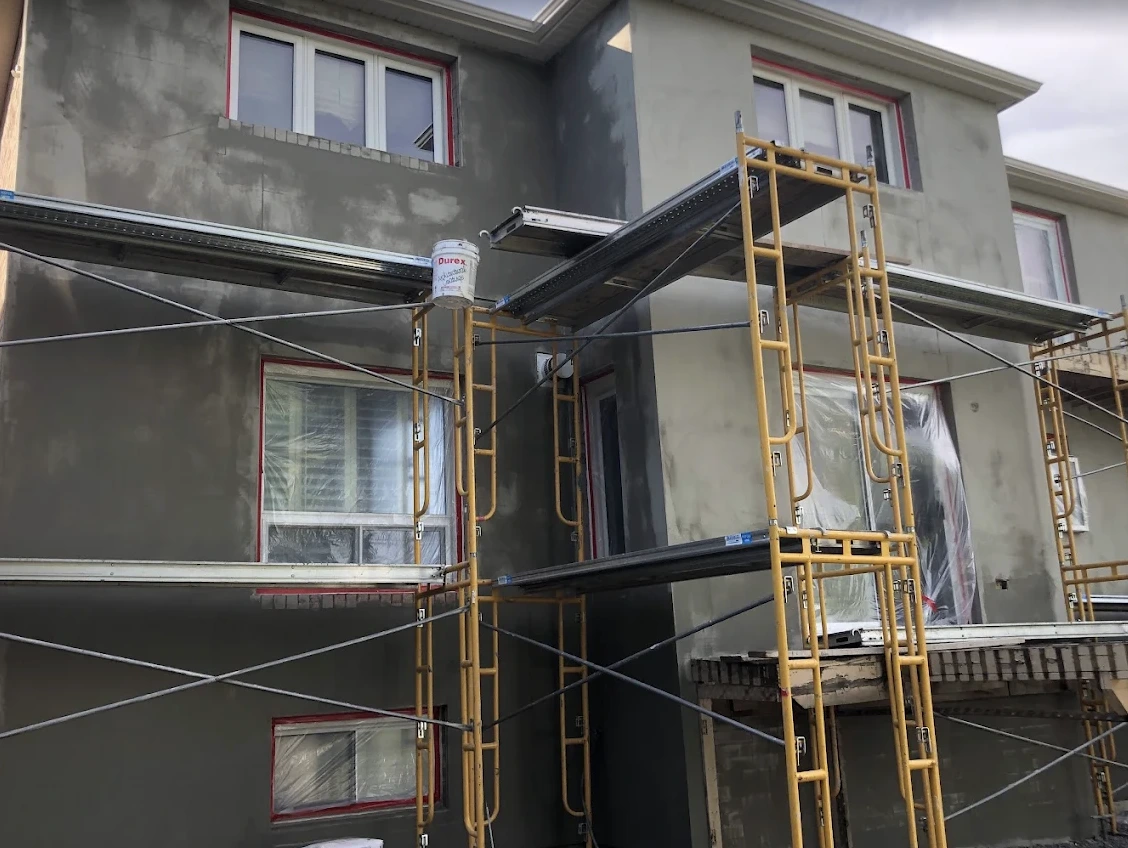
Stucco failure does not happen overnight. It develops gradually, and the early warning signs are visible if you know what to look for. Catching these signs early is the difference between a manageable repair and a full-scale remediation project. Here are the visual indicators that your stucco is failing, what each sign means, and when to call a professional.
1. Cracks
Not all cracks indicate failure. Here is how to read them:
**Hairline cracks (less than 1/16 inch wide):** These are common and usually cosmetic. Cement-based stucco shrinks slightly as it cures, and minor hairline cracks often appear in the first year. They do not typically indicate structural problems, but they should be sealed to prevent moisture entry.
**Diagonal cracks at window and door corners:** Cracks that radiate from the corners of openings at a 45-degree angle indicate stress concentration. These are common in Austin homes on expansive clay soils where foundation movement transfers stress to the stucco at its weakest points — the corners of openings.
**Horizontal cracks along a continuous line:** A horizontal crack that runs the length of a wall often indicates a structural issue — a settling beam, a floor-line movement, or a missing control joint. These cracks need professional evaluation.
**Pattern cracking (spider-web or map cracking):** A network of interconnected cracks covering a large area usually means the stucco mix was too rich (too much cement), cured too quickly, or was applied too thick. This is an installation defect.
**Recurring cracks:** If you repair a crack and it returns in the same location, the underlying cause has not been addressed. This could be ongoing foundation movement, structural flex, or moisture-related expansion and contraction behind the wall.
2. Bulging or Bowing
When stucco bulges outward from the wall, the stucco is separating from the underlying lath or substrate. This is called delamination, and it is a serious sign of failure.
**What it looks like:** The wall surface appears to push outward in a rounded or blistered area. It may be subtle (barely visible from straight on but obvious at an angle) or dramatic (a visible bubble or bulge).
**What it means:** Water has likely gotten behind the stucco and caused the lath to rust, the sheathing to rot, or ice (rarely, in Austin) to expand. The stucco has lost its bond to the wall and is structurally compromised.
**What to do:** Bulging stucco must be removed, the substrate inspected and repaired, and the stucco reapplied. Do not attempt to push it back or re-attach it — the bond is broken.
3. Staining and Discoloration
**Dark streaks or staining below windows:** This is one of the most common signs of moisture intrusion. Water is entering around the window frame (usually due to missing or failed flashing), running down behind the stucco, and seeping out at a lower point, leaving a visible stain.
**Green or black discoloration:** Mold, mildew, or algae growing on the stucco surface. While surface mold can be cleaned, persistent mold growth — especially in shaded areas — may indicate moisture trapped behind the wall feeding the growth from the inside.
**White powdery deposits (efflorescence):** A white, chalky residue on the stucco surface means water is moving through the stucco and carrying mineral salts to the surface as it evaporates. Occasional light efflorescence is normal on new stucco, but persistent or heavy efflorescence on older stucco indicates ongoing moisture movement through the wall.
4. Soft or Spongy Spots
**How to check:** Press firmly on the stucco surface in several locations around the wall, particularly near the base, around windows, and at any visible staining. Properly adhered stucco feels solid and rigid — it should not give or flex under hand pressure.
**What soft spots mean:** The substrate behind the stucco — typically plywood, OSB, or gypsum sheathing — has been damaged by moisture and lost its structural integrity. The stucco itself may still look intact on the surface, but the wall behind it is compromised.
**This is a serious finding.** Soft spots almost always indicate moisture damage that requires stucco remediation — removing the stucco, replacing the damaged substrate, and re-applying the system with proper moisture management.
5. Missing or Damaged Caulk and Sealant
Check the perimeter of every window, door, utility penetration, and where the stucco meets other materials (roofing, trim, foundation). Caulk and sealant are the first line of defense against water intrusion at these transition points.
**What to look for:** - Caulk that has pulled away from the stucco or the window frame - Cracked, brittle, or missing sealant - Gaps between the stucco and adjacent materials
**Why it matters:** Failed caulk is the easiest, cheapest fix — but if ignored, it becomes the entry point for moisture that causes expensive damage behind the wall. In Austin's climate, caulk exposed to direct sun can degrade in as little as 3 to 5 years.
6. Peeling Paint or Finish
If the paint or acrylic finish coat is peeling, flaking, or bubbling, moisture is likely pushing outward from behind the coating. This is different from normal paint wear, which fades and chalks evenly.
**Localized peeling** (around windows, at the base of walls, on one elevation) points to a specific moisture entry point. **Widespread peeling** may indicate a systemic moisture problem.
When to Call a Professional
- Any crack wider than 1/8 inch
- Any bulging, bowing, or delamination
- Staining below windows that returns after cleaning
- Soft spots anywhere on the wall
- Recurring cracks in the same location
- Visible moisture or mold on interior walls adjacent to stucco
A professional stucco inspection takes about an hour and typically costs nothing with a reputable contractor. The inspector may use a moisture meter to check moisture levels behind the stucco without removing it.
Free Inspection in Austin
At Star Stucco of Austin, we offer free stucco inspections for homeowners across Central Texas. We will assess the condition of your stucco, identify any failing areas, and recommend the most cost-effective solution — whether that is a simple repair, a partial re-stucco, or full remediation. Learn more about our stucco repair services or our stucco remediation process. Contact us or call (512) 706-9699 to schedule your free inspection.
Frequently Asked Questions
How can you tell if stucco is failing?
The most common signs of failing stucco are cracks wider than 1/8 inch, bulging or bowing areas where the stucco is separating from the wall, dark staining below windows, soft or spongy spots when pressing on the surface, and peeling finish coats. Any of these signs warrants a professional inspection.
Are hairline cracks in stucco normal?
Yes. Hairline cracks less than 1/16 inch wide are common in cement-based stucco and are usually cosmetic. They occur naturally as the stucco cures and shrinks. They should be sealed to prevent moisture entry but do not indicate structural failure.
What does moisture damage look like on stucco?
Moisture damage appears as dark streaks or staining below windows, white powdery deposits (efflorescence) on the surface, soft or spongy areas when pressing on the wall, persistent mold or mildew growth, and peeling or bubbling paint or finish coat. These signs indicate water is getting behind the stucco.